
Understanding Menopause: What to Expect and How to Manage Symptoms
Understanding Menopause: What to Expect and How to Manage Symptoms
- updated: Mar. 30, 2026
Menopause is a natural stage in a woman’s life that marks the end of menstrual cycles and reproductive years. While it is a normal biological process, the changes that come with menopause can affect daily comfort, energy levels, and overall well-being. At Haven: Pregnancy, Wellness & Women’s Health LLC in Ridgeland, MS, Dr. Charlene Collier provides personalized care to help women navigate menopause with clarity and confidence.
What Is Menopause
Menopause is defined as the point when a woman has gone 12 consecutive months without a menstrual period. This transition occurs as the ovaries gradually produce less estrogen and progesterone, leading to hormonal shifts throughout the body. Many women begin to notice changes during the years leading up to menopause, often referred to as perimenopause, when cycles may become irregular and symptoms begin to develop.
Common Symptoms of Menopause
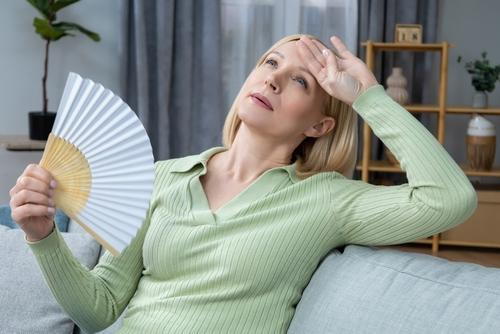
Hormonal changes during menopause can lead to a range of symptoms that vary from person to person. Some women experience mild changes, while others find symptoms more disruptive. Hot flashes and night sweats are among the most common concerns, often affecting sleep quality and daily comfort. Mood changes, including irritability or anxiety, may also occur as hormone levels fluctuate.
Other symptoms can include vaginal dryness, changes in libido, fatigue, difficulty concentrating, and weight changes. These experiences are normal, but they can still impact quality of life and should be addressed with appropriate care.
Long-Term Health Considerations
Menopause is not only about symptom management, but also about protecting long-term health. Lower estrogen levels can affect bone density, increasing the risk of osteoporosis over time. Cardiovascular health is another important consideration, as hormone changes may influence heart health and cholesterol levels.
Regular medical care allows for early identification of potential risks and helps support preventive strategies. Monitoring these changes is an important part of maintaining overall wellness during and after menopause.
Managing Menopause Symptoms
Treatment for menopause is individualized based on each patient’s symptoms, medical history, and preferences. Some women benefit from lifestyle adjustments such as regular physical activity, balanced nutrition, and stress management techniques. These strategies can help support energy levels, mood, and overall health.
Medical treatments may also be recommended to help manage symptoms. Hormone therapy or non-hormonal options can be considered depending on each patient’s needs. Open communication with a provider helps determine the most appropriate approach.
Supportive Care in Ridgeland, MS
Menopause is a significant transition, but with the right guidance, it can be managed with confidence. At Haven: Pregnancy, Wellness & Women’s Health LLC in Ridgeland, MS, Dr. Charlene Collier offers compassionate care focused on each patient’s unique experience and long-term health goals.
If you are experiencing symptoms of menopause or have questions about your health, call (601) 707-3970 to schedule an appointment and receive personalized support.
Hours of Operation
Our Location
Haven: Pregnancy, Wellness & Women's Health LLC
302 Highland Park Cove, Suite B
Ridgeland, MS 39157
